- CLA Finishing, Milburn Rd, Cobridge, Stoke-on-Trent ST6 2LA

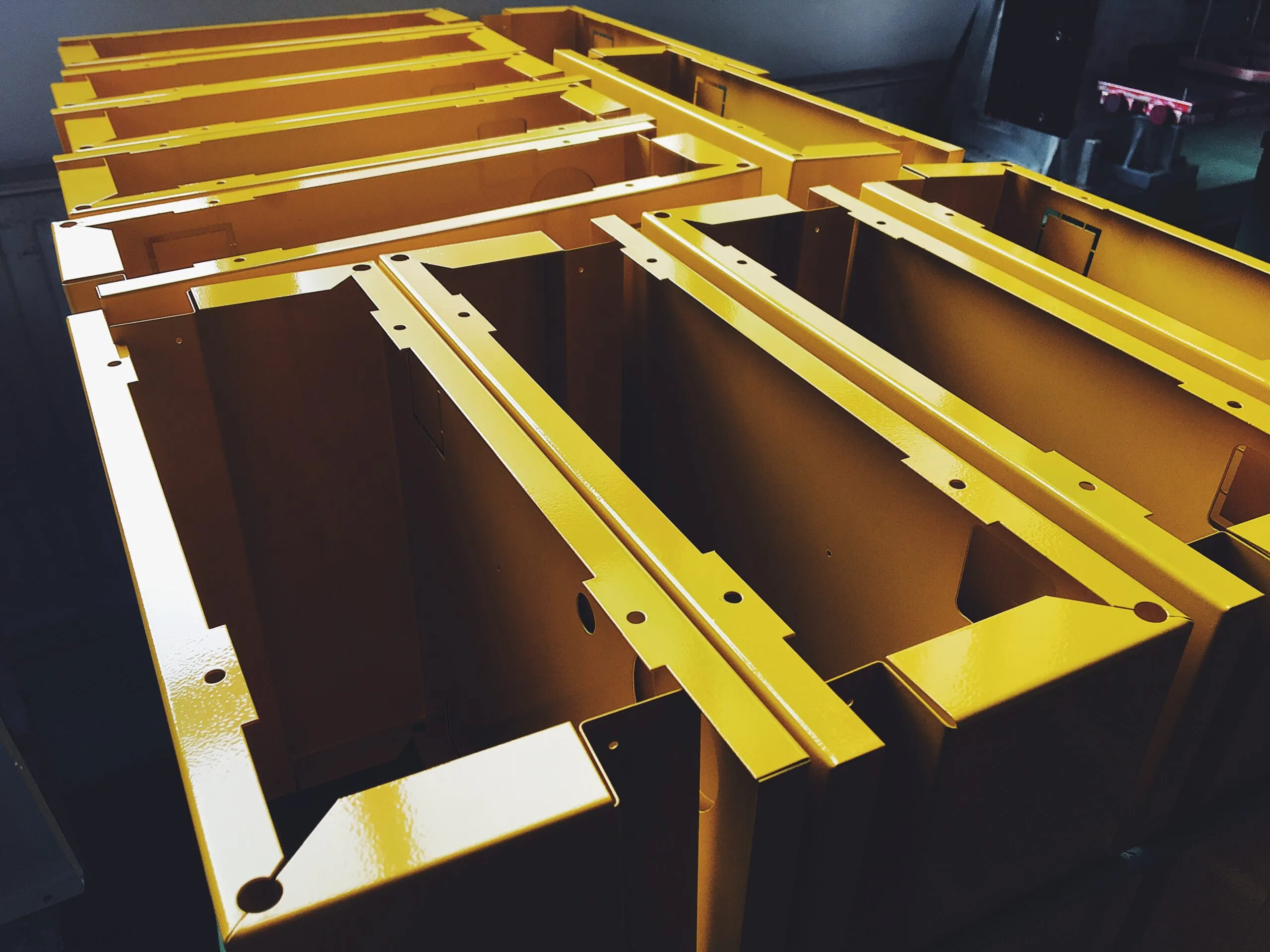
If you fabricate, manufacture, or install industrial steelwork, you’ll know the finish isn’t a “nice-to-have”, it’s what keeps your product looking right, performing properly, and staying on spec once it’s out in the real world.
That’s where powder coating services come into their own. Done well, powder coating gives industrial steelwork a tough, consistent, professional finish that stands up to handling, transport, site conditions, and long-term exposure, without the mess and VOCs you’d expect from traditional wet paint.
When your steelwork is heading for a factory floor, a plant room, a rail environment, a construction site, or a public-facing installation, you need a coating that’s more than cosmetic.
High-quality powder coating services are popular for industrial steelwork because they’re built around:
And if you’re working on projects near the coast or in harsher conditions, it’s worth asking about marine-grade options where appropriate.
Different plants have different lines and capabilities, but the fundamentals are the same. Here’s what you should expect from professional powder coating services for industrial steelwork.
Before anything gets coated, we look at what matters to you:
If you’re sending drawings, include your finish spec, any “no coat” zones, and how the parts will be used.
Powder needs a clean, properly prepared surface to bond well. Good pretreatment is where durability starts. (If you’ve ever seen a coating fail early, chances are the prep wasn’t right.)
Powder is applied electrostatically so it’s attracted to the metal surface, helping achieve even coverage, especially helpful when you’re coating batches of fabricated parts.
After application, parts are heated so the powder cures into a solid, continuous coating, creating that tough, smooth finish people associate with powder coating.
For industrial jobs, this is where details count: coverage, consistency, edge protection, finish quality, and making sure parts are ready for transport and site handling.
Want to compare this with other finishing routes? Take a look at our wider service overview here: Our Services
Your steelwork gets tested long before it reaches end use, loading, straps, pallet edges, forklift tines, site knocks, and install tools all take their turn.
Professional powder coating services are chosen because they deliver a finish that’s:
Let’s talk honestly: with industrial steelwork, lead times are rarely one-size-fits-all. They depend on the size and complexity of your project, and the finishing requirements.
Here are the biggest factors that influence powder coating lead times:
When you’re buying powder coating services for industrial steelwork, consistency is everything — especially if your parts are customer-facing, safety-related, or part of a bigger assembly.
On our side, CLA Finishing highlights quality and compliance credentials such as ISO 9001:2015 certification, plus stated compliance with relevant standards for coatings and galvanising.
If your job requires specific documentation, coating thickness targets, or inspection requirements, mention it at enquiry stage so it’s planned in from day one.
If you’ve got steelwork ready (or a job coming up) and you need dependable powder coating services, we’ll make it straightforward.
Click Here